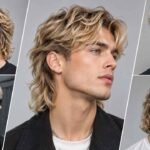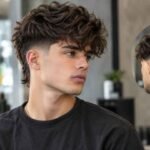

Ever left the barber’s chair feeling like you asked for “edgy” and got “safe” instead? A lot of guys and girls get stuck choosing between something boring and something they’ll regret by next month. There’s rarely a middle ground on the menu, so people end up settling. That’s exactly the gap the curtain mullet fills.
This guide breaks down what a curtain mullet actually is, why it’s everywhere right now, and 24 real variations you can bring to your next appointment. You’ll also find styling steps by hair type, honest maintenance expectations, and answers to the questions people search most before booking the cut. By the end, you should be able to point at one or two styles and say, “that one, please,” instead of hoping your barber reads your mind.
Quick Answer: A curtain mullet blends center-parted curtain bangs with a classic mullet’s longer back section. It works on straight, wavy, and curly hair, suits most face shapes, and can be styled subtle or bold depending on how much fade or length you add.
What Is a Curtain Mullet?
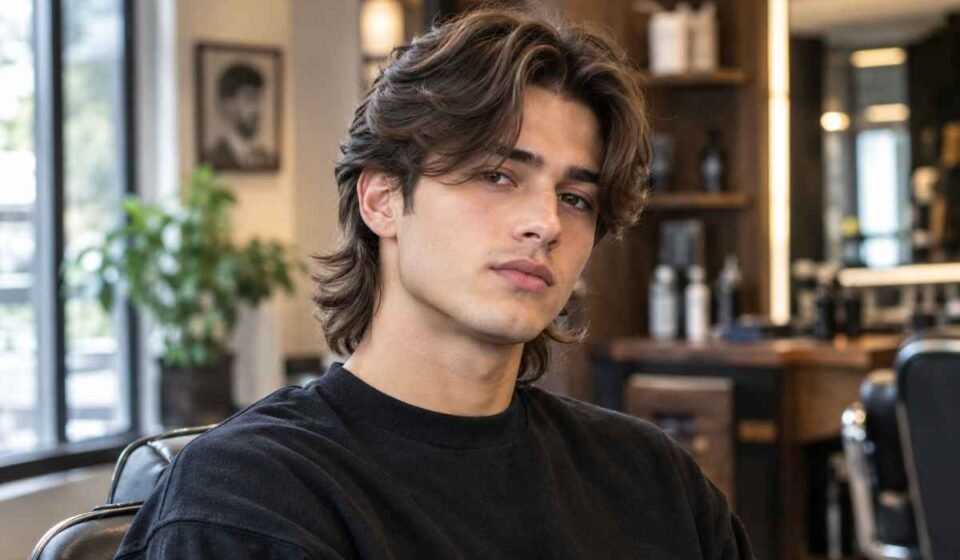
A curtain mullet combines two hairstyles that used to live in separate lanes: curtain bangs up front and a mullet in the back. The fringe splits down the middle and falls softly to each side, framing your face like a pair of curtains. Meanwhile, the back keeps growing past the collar, giving you that signature mullet flow instead of stopping at a standard trim length.
It’s not just bangs plus length, though. A good barber blends the two sections so they read as one cohesive haircut instead of two competing ideas stitched together. That blending is really what separates a sharp curtain mullet from a haircut that just looks unfinished. The sides usually get some attention too, whether that’s a soft taper or a full fade, so the whole shape flows from front to back without any awkward jumps. That flow is also what makes the style photograph so well, since there’s no obvious seam where one section ends and another begins.
Curtain Mullet vs. Mullet vs. Curtain Bangs: What’s the Difference?
These three terms get mixed up constantly, so here’s the short version.
- A standard mullet keeps the front and sides short with no real fringe, putting all the drama in the back section.
- Curtain bangs are just the front piece: a center-parted fringe with no rule about what happens at the back or sides of your hair.
- A curtain mullet is the crossover style: curtain bangs up front, mullet length in back, and everything in between (the sides, the fade, the texture) is yours to customize.
Think of it this way: every curtain mullet has curtain bangs, but not every set of curtain bangs comes with a mullet. If someone shows you a photo with a soft fringe and short, even sides all around, that’s curtain bangs on their own. Once the back starts growing past the collar, you’ve crossed into curtain mullet territory. Knowing this distinction matters when you’re searching for photos too, since a lot of “curtain bangs” results online won’t show you anything about the back section at all.
Why Is the Curtain Mullet So Popular?
The curtain mullet took off because it doesn’t force you to choose between soft and edgy. You get face-framing movement up front and rebellious length in back, all in one cut, which is a combination most classic hairstyles don’t offer. It also travels well across trends, borrowing from K-pop styling, 90s throwbacks, and the current wave of textured, low-maintenance cuts that dominate men’s and women’s hairstyling alike.
It helps that the style adapts to whatever you’re working with. Straight hair gives it clean, graphic lines. Wavy or curly hair adds natural texture without much extra effort on your part. And because it works with fades, tapers, or just soft layers, you can dial the intensity up or down depending on your job, your barber’s skill level, and how much attention you actually want to draw. That flexibility is rare in a single haircut, which is probably the biggest reason it’s stuck around instead of fading out after one trend cycle.
How Long Does Your Hair Need to Be for a Curtain Mullet?
You’ll get the best results with at least 3 to 4 inches on top and a bit more length at the back and crown, enough for your barber to create real contrast between the fringe and the mullet section. If you’re starting from a short cut, expect to grow it out for a few months before the shape fully comes together the way it does in reference photos.
Hair texture plays a role too: thicker or wavy hair tends to show off the shape a little sooner than fine, straight hair at the same length. Some barbers will start shaping an early version sooner rather than making you wait, with a plan to build toward a fuller curtain mullet over your next two or three visits. This “transitional” approach also gives you a chance to test a shorter version before committing to serious length in back, which is worth asking about if you’re not fully sure how you’ll feel about the longer style once it grows in.
24 Curtain Mullet Haircut Styles
Here’s a quick look at how the main fade options compare before we get into all 24 styles:
| Fade Type | Fade Height | Best For |
| Low Taper | Near the neckline | Professional settings, subtle edge |
| Mid Fade | Middle of the head | Noticeable contrast, everyday wear |
| Burst Fade | Curved around the ears | Rounded, dynamic shape |
| Skin Fade | Down to the skin | Maximum contrast, bold statements |
| Taper Fade | Gradual, sides to back | Clean transitions, versatile styling |
Now let’s go through all 24 variations, starting with the most classic and working through the bolder, more specialized options.
Classic Curtain Mullet
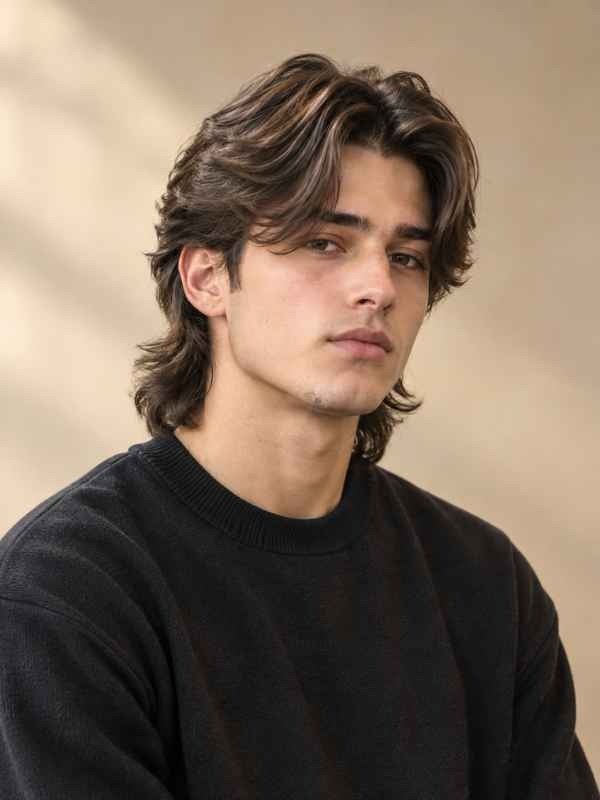
The classic version keeps things simple: center-parted curtain bangs up front, moderate length in back, no dramatic fading anywhere. It’s the easiest starting point if you’ve never worn a mullet before, and it works well on straight or slightly wavy hair without demanding much daily styling. Most barbers can execute this version confidently, even without specific mullet experience.
Textured Curtain Mullet
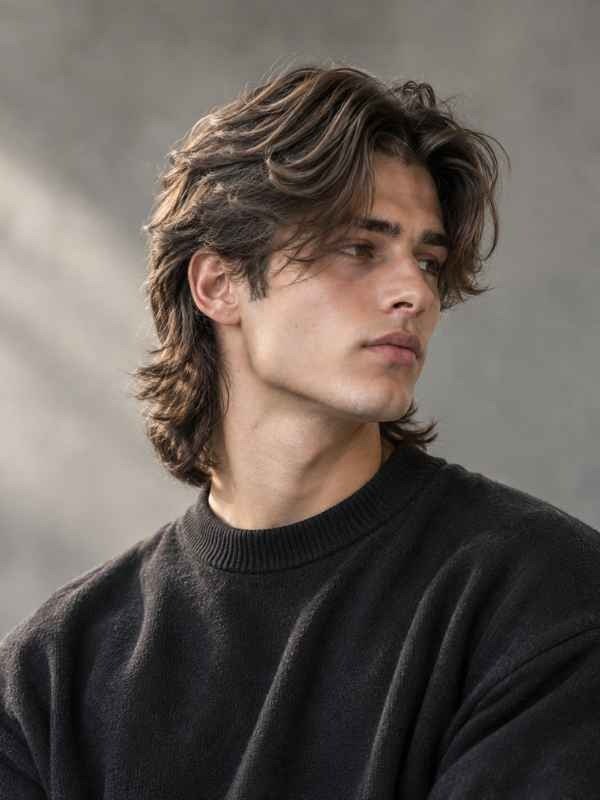
Layers do the heavy lifting here, adding movement and dimension so the cut never looks flat or one-dimensional. The fringe blends into textured sides and back, and it looks especially good on medium to thick hair that can hold the shape. A little sea salt spray brings out the texture even more between wash days.
Low Taper Curtain Mullet
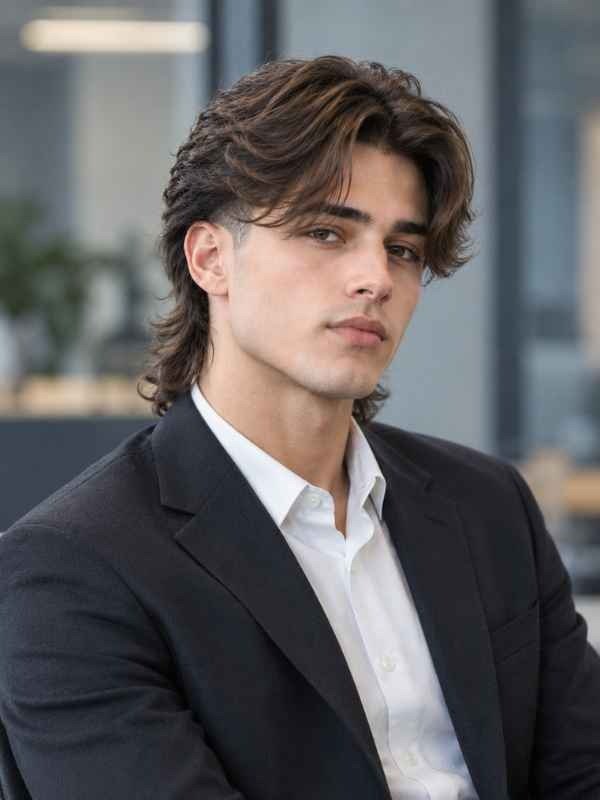
This is the buttoned-up option for people who still want some edge. The taper starts low, near the neckline, and blends gradually into the longer sections, so the overall shape stays polished rather than dramatic. Curtain bangs soften the look further, making this a solid pick for office jobs or client-facing roles where a bold fade might raise eyebrows.
Mid Fade Curtain Mullet
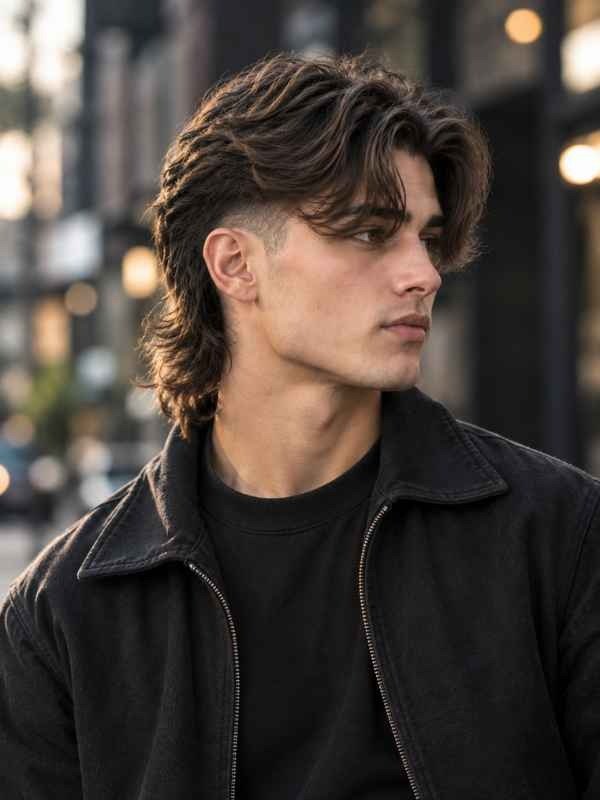
A mid fade sits higher than a low taper, creating sharper contrast between the sides and the length on top and in back. It reads as more fashion-forward while still keeping the soft curtain fringe up front to balance things out. Regular trims keep the fade line crisp, since it grows out faster than lower fade placements.
Burst Fade Curtain Mullet
Instead of a straight fade line, the burst fade curves around the ear, which gives the whole cut a rounder, more dynamic shape than a standard fade. Paired with curtain bangs, it creates a nice push-pull between sharp fading and soft framing at the front. It’s become a favorite with younger guys chasing something a little different from the usual options.
Skin Fade Curtain Mullet
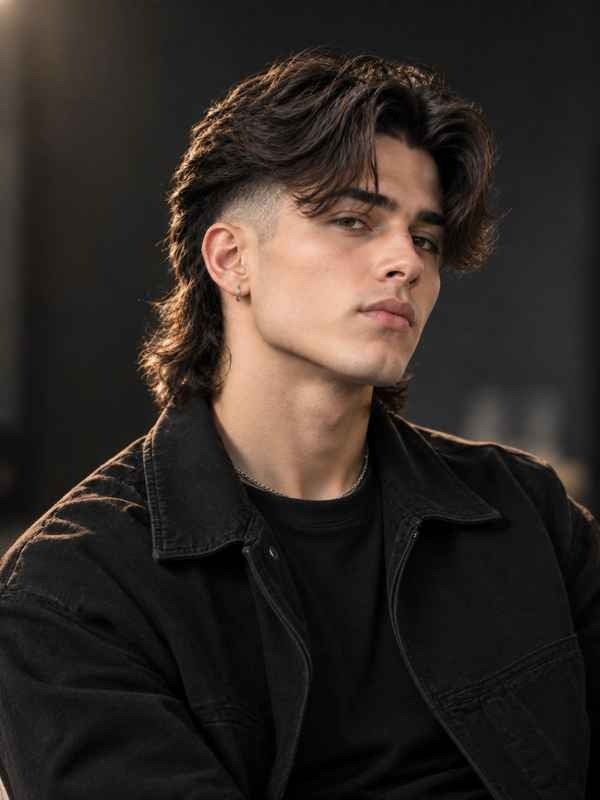
For maximum contrast, the skin fade takes the sides all the way down to the skin, so there’s a hard line between short and long sections. Curtain bangs help balance that intensity instead of letting the whole look feel too harsh or severe. Just know this one needs more frequent barber visits to stay sharp and clean, since regrowth at the sides shows up faster than with any softer fade.
Korean Curtain Mullet
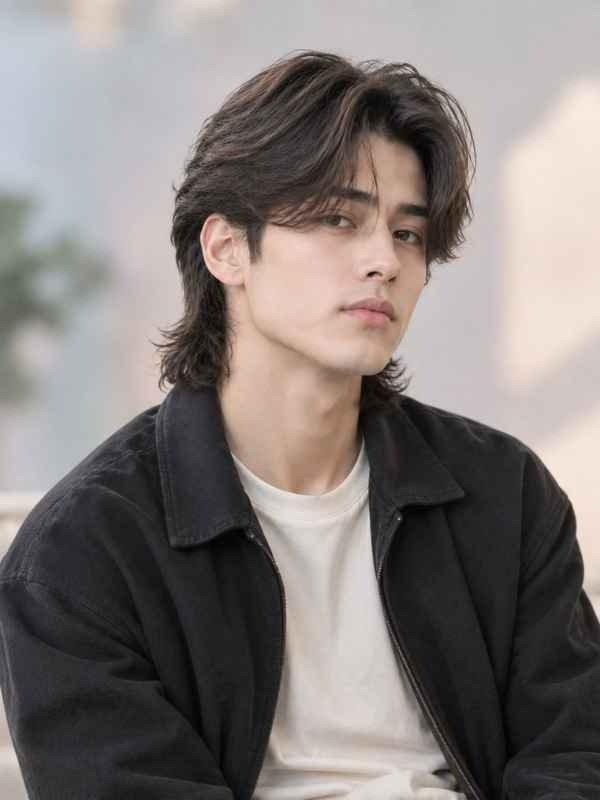
Inspired by K-pop styling, this version leans soft and polished rather than messy or undone. The fringe gets styled neatly, and the rest of the cut avoids heavy layering in favor of a smoother, more controlled finish. It works especially well on straight hair and reads as youthful without tipping into overly dramatic territory.
Shaggy Curtain Mullet
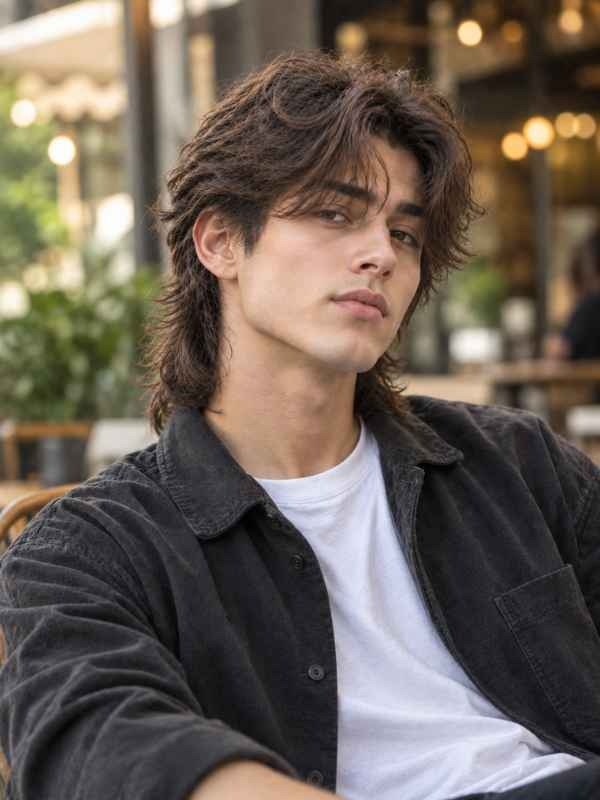
Messy layers and relaxed curtain bangs give this style a carefree, low-effort vibe that still looks intentional. It leans into texture instead of fighting it, which makes it a natural fit for wavy hair that already has some movement built in. You genuinely don’t need much product to make this one work day to day.
Short Curtain Mullet
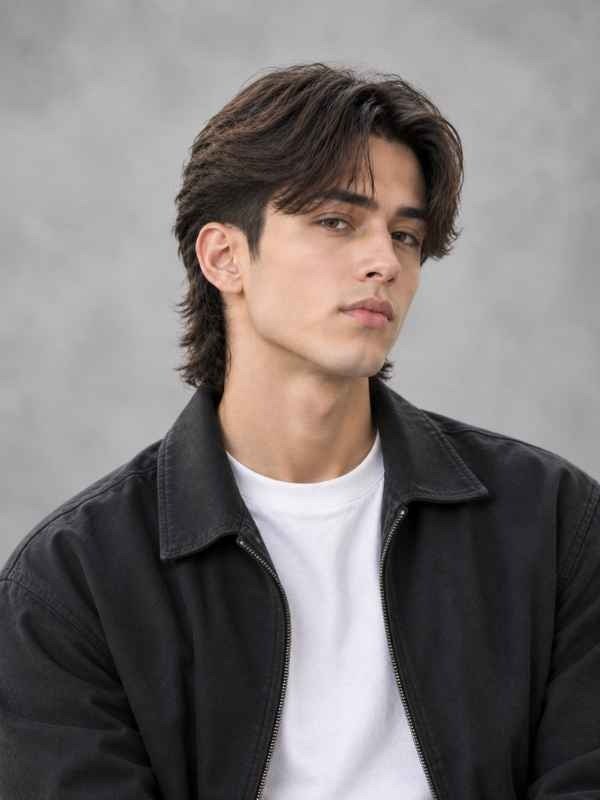
If you want to dip a toe into the trend without committing hard, this is it. The back stays shorter while the shape still reads clearly as a mullet, and curtain bangs add personality without overwhelming your face. It’s also one of the easier variations to keep looking office-appropriate between trims.
Long Curtain Mullet
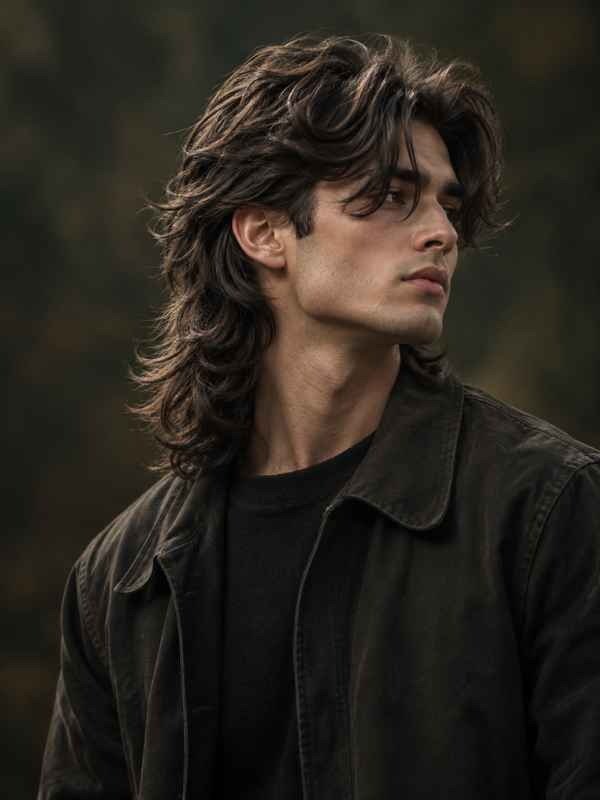
Here’s the opposite approach: maximum length in back for maximum visual drama. Longer layers create real movement and swing, while the fringe up front keeps the whole thing balanced instead of top-heavy. It suits medium to thick hair best, since finer hair can look stringy at longer lengths without extra conditioning care.
Curly Curtain Mullet
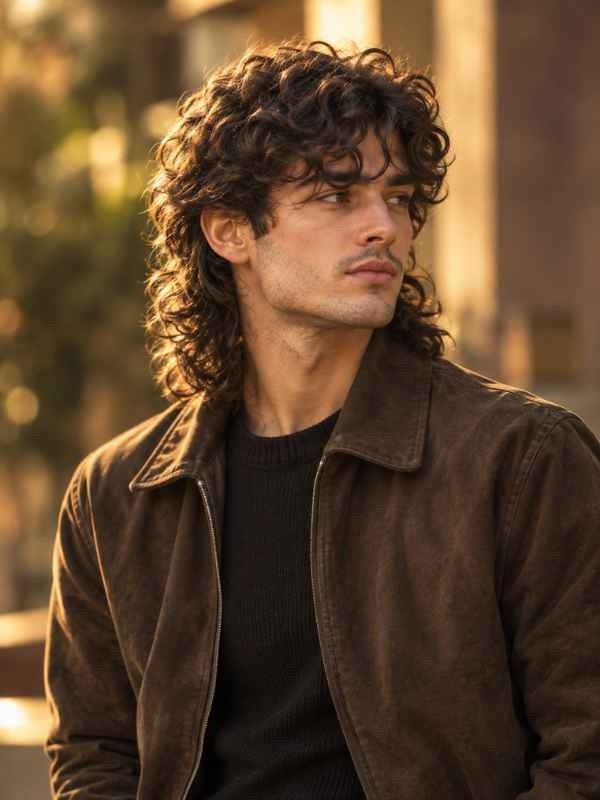
Natural curls do a lot of the styling work in this version, which is part of the appeal. Curtain bangs fall softly around the face, while curls in back add shape and volume entirely on their own. A moisturizing cream or curl definer helps keep frizz in check without weighing the curls down.
Wavy Curtain Mullet
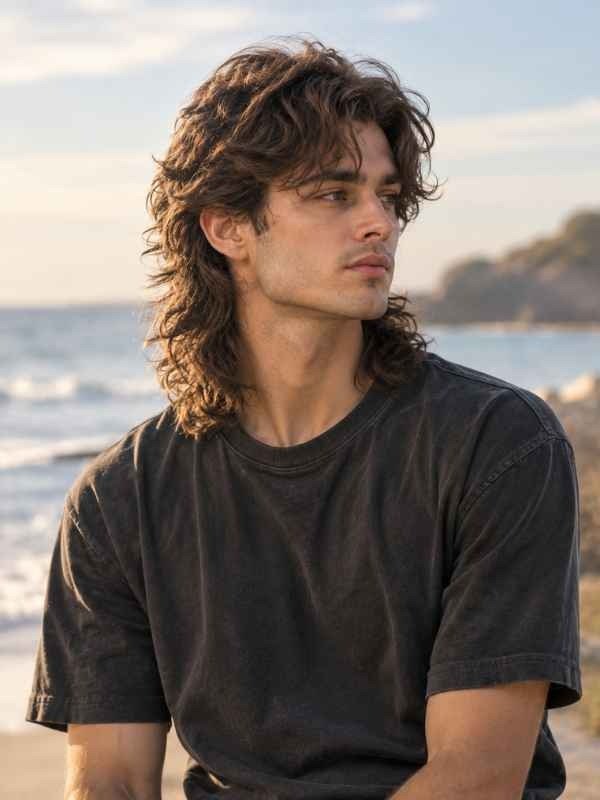
Waves bring effortless movement to the whole cut, and the fringe blends into the rest of the hair without any hard, obvious line. This variation is genuinely flexible across face shapes and hair densities, which explains why it shows up so often in reference photos. A lightweight styling cream is usually all you need to define the waves properly.
Straight Hair Curtain Mullet
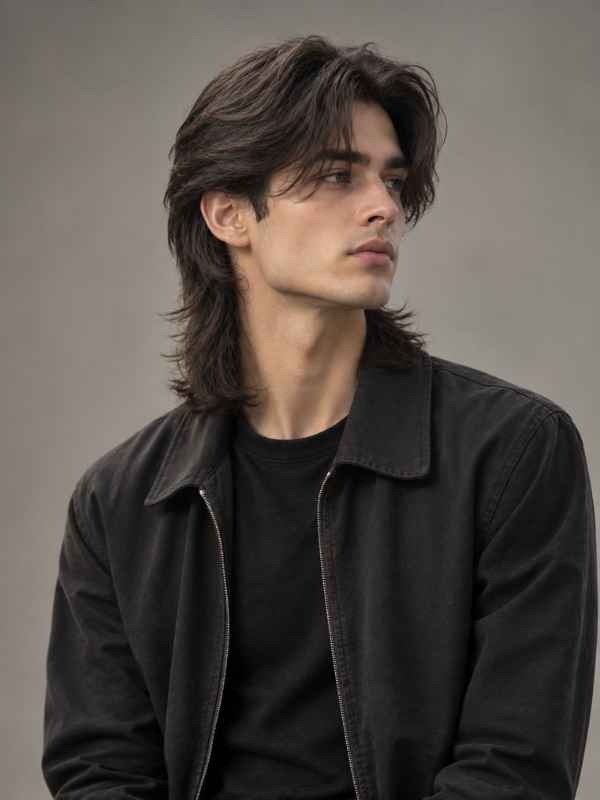
Straight hair shows off the clean geometry of curtain bangs better than any other texture out there. Every line stays crisp, and the back keeps its shape without needing much extra product to hold. A quick blow-dry with a round brush is often enough to finish the whole look, and touch-ups throughout the day usually just mean smoothing the fringe back into place with clean fingers.
Wolf Cut Curtain Mullet
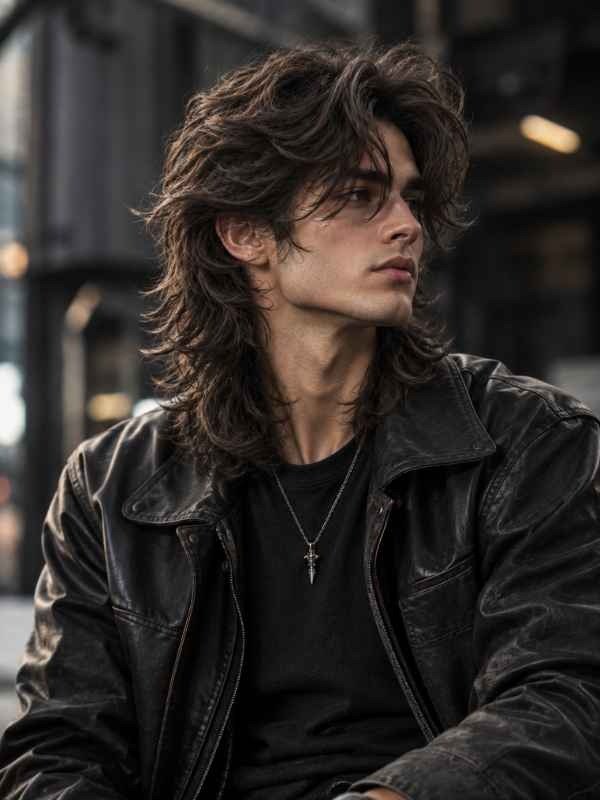
This one merges the heavily-layered wolf cut with mullet length, creating serious volume and movement throughout the entire style. Curtain bangs soften the face while blending into the surrounding layers, and it tends to suit medium to thick hair best. It’s a favorite among people who want something that reads as clearly trend-driven.
Layered Curtain Mullet

Strategic layering adds dimension without pushing the cut into full “shaggy” territory. The layers help the hair move naturally as you walk or turn your head, and curtain bangs integrate smoothly into the rest of the overall shape. Regular trims keep it from getting bulky or heavy as it continues to grow out.
Razor Cut Curtain Mullet

A razor-cutting technique removes bulk and creates lighter, more textured ends throughout the cut. It gives curtain bangs a softer, less blunt finish and works especially well on thicker hair that genuinely needs some weight taken out. The overall vibe lands somewhere between sharp and effortlessly undone.
Messy Curtain Mullet
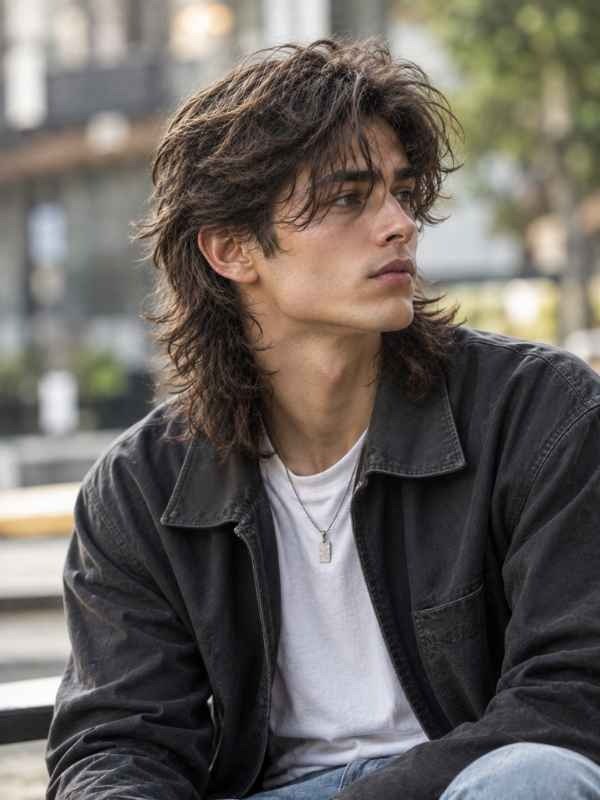
This is an intentionally undone take, with loose layers and tousled texture running throughout the style. Curtain bangs still hold enough structure to frame the face, even while the rest of the hair moves freely and naturally. A texture spray and a matte product are really all you need here to finish it.
Taper Fade Curtain Mullet
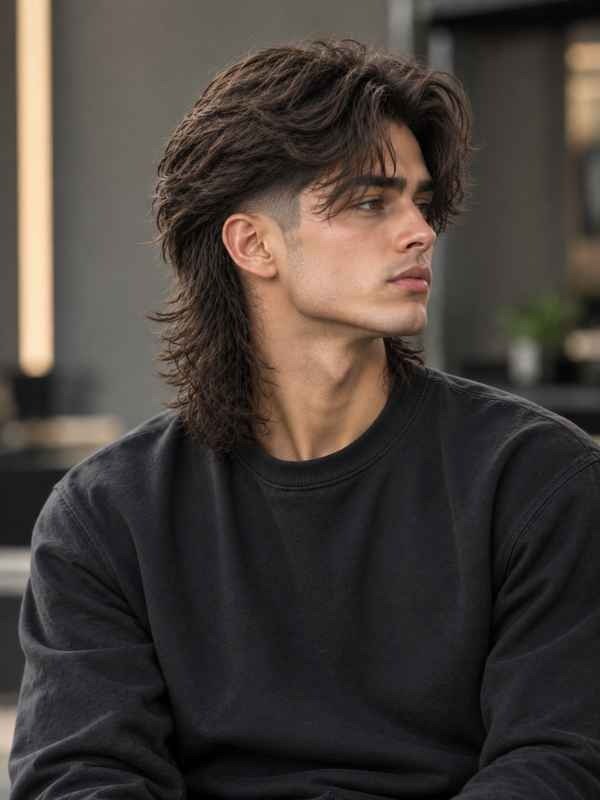
A gradual taper fade blends the sides smoothly into the longer sections, avoiding any harsh or abrupt lines. Curtain bangs add balance on top of that softness, which makes this variation work in both casual and professional settings equally well. It’s one of the more versatile fade options anywhere on this list.
Undercut Curtain Mullet
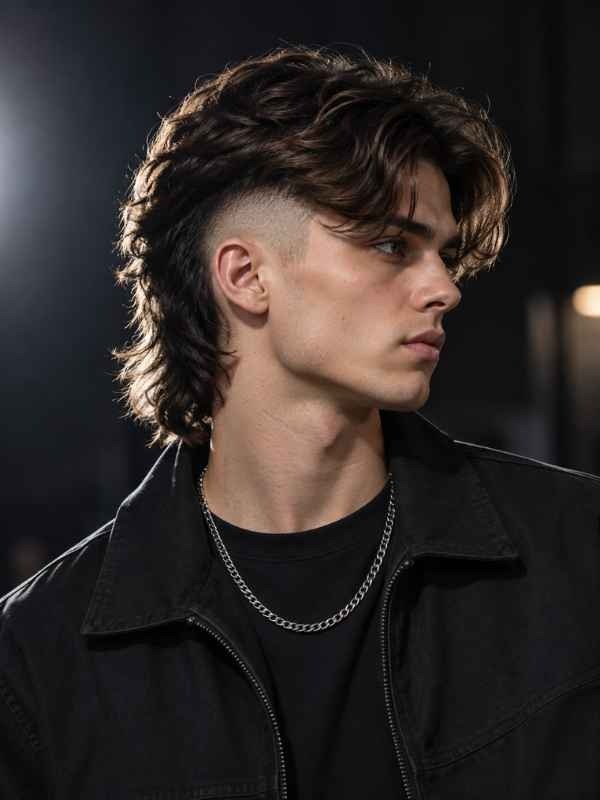
Here the sides go dramatically short, creating strong contrast with the length left on top and in back. Curtain bangs keep some harmony in the mix so the whole cut doesn’t feel too extreme or jarring. It’s a bold pick, best suited to people who genuinely don’t mind standing out in a crowd.
Fringe Heavy Curtain Mullet
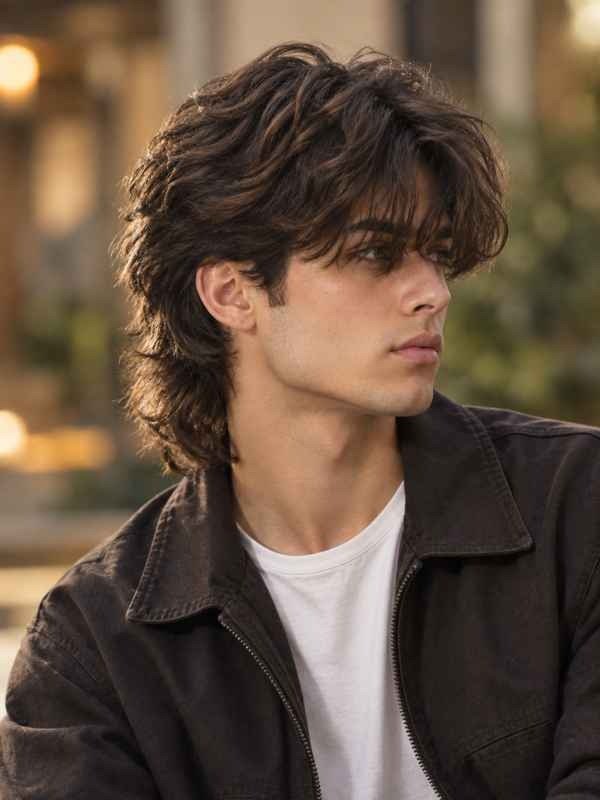
This variation goes all in on the front, with fuller, more prominent curtain bangs than the standard version. The extra fringe creates a distinctive, face-framing look, while the back keeps the traditional mullet length intact. It tends to work best on thicker hair that can actually support the added fringe weight.
Voluminous Curtain Mullet
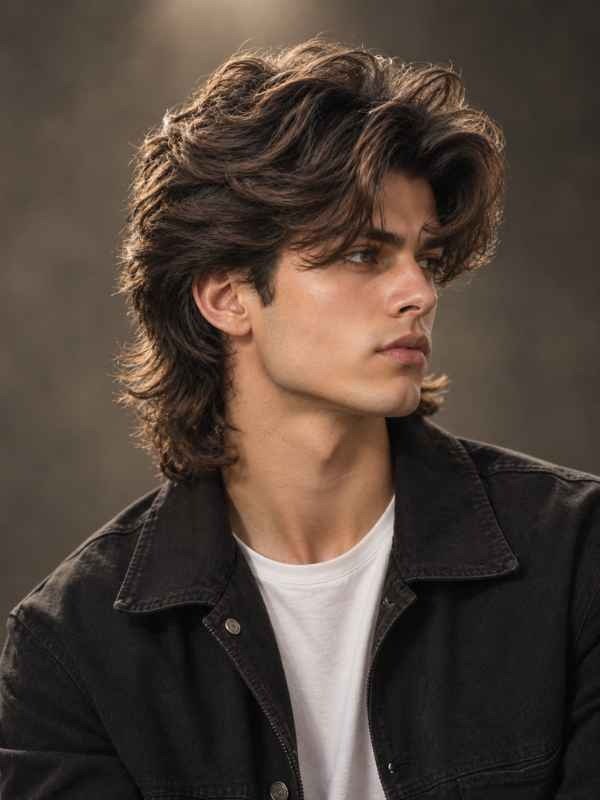
Built for maximum body, this style uses strategic layering to add fullness and lift throughout the crown. Curtain bangs blend into an elevated top section rather than lying flat against the head. A volumizing mousse or spray helps push the effect even further, especially on thick or naturally textured hair types.
Soft Curtain Mullet
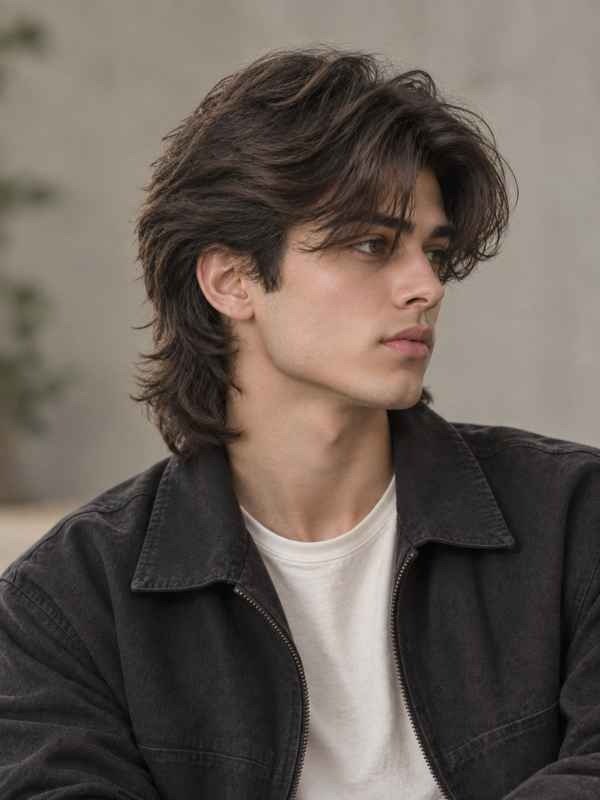
Gentle transitions and subtle layering make this the most approachable variation on the entire list. It feels more wearable day-to-day than some of the bolder cuts here, while curtain bangs still add that face-framing softness people love. This is a strong option if you want the trend without much of the drama.
Modern Curtain Mullet
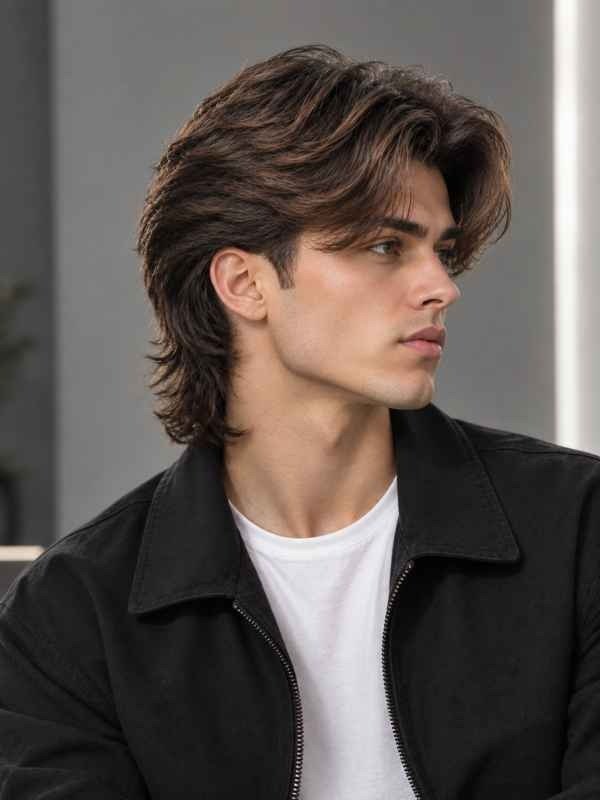
This version updates the classic shape with cleaner lines and noticeably improved texture throughout. It keeps the signature longer back section but adds subtle layering and current barbering technique on top of it. It also happens to adapt well across different face shapes and hair types, which is part of why it’s so widely requested right now.
Curtain Mullet with Highlights
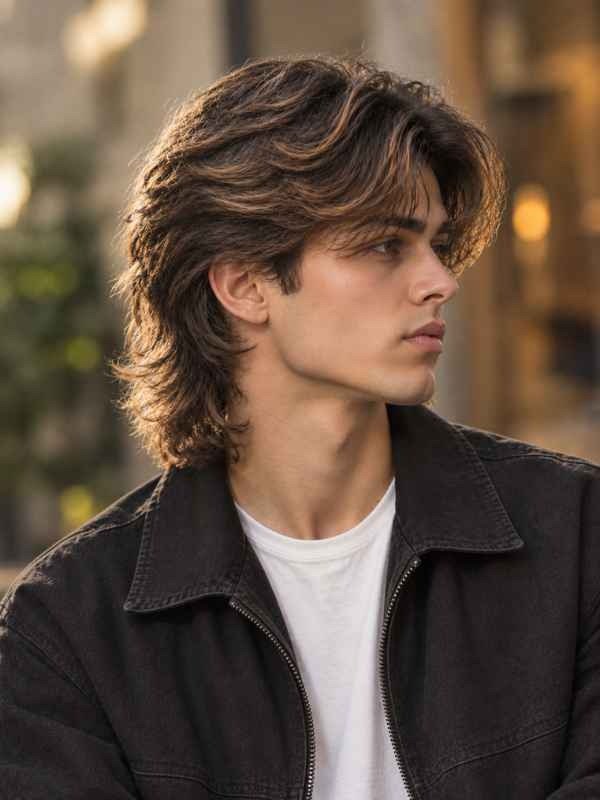
Color adds another layer of dimension to an already textured cut, making the shape even easier to see. Strategic highlight placement makes the layers pop, and curtain bangs benefit from the added contrast around the face. Whether you go subtle or bold with the shade, this variation turns the cut into a genuine style statement on its own.
Who Should Try a Curtain Mullet?
One of the best things about this cut is how adjustable it is across face shapes. The curtain bangs and mullet length can both be tweaked by a skilled barber to flatter whatever features you’re working with, rather than forcing one rigid shape on everyone. If you’re unsure which category you fall into, look at your face in a mirror with your hair pulled back and check whether your jaw, cheekbones, or forehead feel the widest; that’s usually enough to point you toward the right section below. Your barber can also confirm it in about ten seconds if you’re still not sure.
Oval Faces
Most curtain mullet variations work naturally on oval faces because the proportions are already balanced to begin with. The fringe frames things evenly, and the back adds movement without throwing the overall symmetry off.
Round Faces
Longer curtain sections help create the appearance of length, which balances out wider cheeks nicely. Layering through the mullet section also softens the roundness instead of adding extra width to it.
Square Faces
Soft layers take the edge off strong angles here, which is exactly what a square jawline benefits from. Curtain bangs soften a defined jawline further, while textured layers in back add movement that keeps the overall look from feeling too rigid or blocky.
Heart-Shaped Faces
The fringe softens a wider forehead by balancing out the upper half of the face against a narrower chin. Extra length and layers around the back also draw attention away from that narrower jawline, creating a more proportionate silhouette overall. Ask your barber to keep some weight through the fringe rather than cutting it too thin, since a wispy, sparse fringe won’t do as much balancing work.
Curtain Mullet for Men, Women, and Boys
The curtain mullet isn’t locked to one gender or age group, and the styling adjustments from person to person are pretty straightforward once you know what to ask for. What changes most is the amount of fade, the overall length, and how much daily upkeep someone’s actually willing to commit to.
Curtain Mullet for Men
Men’s versions tend to lean toward the fade-heavy end of this list, pairing curtain bangs with a low taper, skin fade, or burst fade for sharper contrast. Straight and wavy hair both handle this combination well, and it reads as polished enough for most workplaces when the fade stays on the lower, more conservative side. If a fade feels like too much of a commitment, the taper fade or classic curtain mullet cover the same territory with a softer transition.
Curtain Mullet for Women
Women wearing a curtain mullet often go for more length and layering overall, closer to the shaggy, wolf cut, or voluminous variations covered above. The fringe still does the face-framing work, but there’s usually less emphasis on hard fade lines and more focus on movement, volume, and texture throughout. Highlights or subtle color, like the version covered earlier in this guide, are also a common addition for adding extra dimension.
Curtain Mullet for Boys
For younger guys, a shorter, low-maintenance version tends to work best, think the classic or soft curtain mullet rather than anything with a dramatic skin fade attached. It’s easier to keep neat between cuts, and it grows out gracefully instead of losing its shape quickly, which matters when trims happen less predictably for younger kids than for adults with a set routine.
How to Style a Curtain Mullet
The basic routine works for most hair types, with small tweaks depending on your specific texture and density.
- Start with damp, towel-dried hair rather than soaking wet strands.
- Apply a lightweight styling mousse or cream through the mid-lengths.
- Create a center part for the fringe using a comb or your fingers.
- Blow-dry the fringe away from your face, then let it fall back naturally.
- Add a texture spray through the mid-lengths and ends for movement.
- Finish with a flexible-hold product so everything moves without stiffening up.
If you have straight hair, a round brush during the blow-dry helps the fringe sit cleanly and stay put through the day. Wavy hair usually looks best with a scrunching motion and a lightweight cream instead of heavy gel, which can weigh the waves down. Curly hair benefits from a leave-in conditioner or curl cream applied to damp hair, then left to air-dry so the curls keep their natural shape and pattern intact.
However you style it, try to keep product away from the roots at the crown. Building up product there over time can weigh down the volume that makes a curtain mullet look intentional rather than just long. If your fringe feels greasy by midday, a small amount of dry shampoo at the roots can refresh it without a full restyle.
Maintenance Tips
- Book trims every 4 to 6 weeks if you’re wearing a soft or classic version with no fade involved, focusing mainly on tidying the fringe and blending any new growth at the back.
- If you’ve got a mid, burst, or skin fade, plan on visiting the barber every 2 to 3 weeks to keep the line looking sharp.
- Use volumizing products if your hair is fine and needs a bit of extra texture and lift.
- Skip heavy gels, since they tend to flatten the natural movement that makes this cut work in the first place.
- Deep condition weekly, especially if you’re growing out the back section for a longer, more dramatic look.
- Keep an eye on the fringe specifically, since it’s the first part of the cut to look overgrown, even when the rest of the style still looks fine.
Most of these tips apply no matter which of the 24 variations you choose, but fade-heavy styles will always need more frequent attention than soft, layered ones.
How Do You Ask Your Barber for a Curtain Mullet?
Bring a reference photo if you can find one close to what you want. This cut has a lot of variations, so a photo does more communication work than trying to describe it from scratch, especially if you and your barber picture “mullet” differently. Be specific about the fade height you want, if any, and mention your current length so your barber knows whether you’re getting the full cut today or building toward it gradually over a few visits. It also helps to mention how much daily styling time you’re realistically willing to put in, since that honestly affects which variation they’ll end up recommending for you.
Don’t be afraid to ask your barber directly whether your hair type suits the version in your reference photo. A good barber would rather adjust the plan upfront than deliver a cut that fights your natural texture every morning.
Frequently Asked Questions
What is a curtain mullet?
A curtain mullet is a hairstyle that combines curtain bangs with the classic mullet shape. The front features a center-parted fringe, while the back stays longer to create the signature mullet look most people recognize instantly.
Is a curtain mullet suitable for all hair types?
Yes, it works with straight, wavy, and curly hair without much trouble. Your barber will simply adjust the layering, fringe weight, and styling technique to suit your specific texture and density.
How do you style a curtain mullet?
Start with a center part, blow-dry the fringe away from your face, and use a texture spray or lightweight styling product to add movement. The exact routine varies slightly depending on whether your hair is straight, wavy, or curly, but the basic steps stay the same.
What face shape suits a curtain mullet best?
It’s a genuinely versatile cut that complements most face shapes with the right adjustments. Oval faces can wear nearly any variation, while round faces tend to benefit from longer curtain sections that create a more elongated appearance overall.
How often should you trim a curtain mullet?
Non-fade versions usually need a trim every 4 to 6 weeks to keep their shape and fringe length in check. If you’re wearing a fade of any kind, plan on more frequent visits, closer to every 2 to 3 weeks, to keep that line looking clean and sharp.
How long does hair need to grow before you can get a curtain mullet?
Most barbers want at least 3 to 4 inches on top and a bit more length in back to create real contrast between sections. If you’re starting shorter than that, expect a few months of growing out before the full shape comes together properly. If your hairline is already receding slightly, mention that too, since your barber can keep the fringe a touch fuller to work with it instead of against it.
Conclusion
The curtain mullet earns its popularity honestly. It’s one of the few haircuts that lets you frame your face softly up front while still keeping genuine edge in the back, and it does that across nearly every hair type and face shape out there. Between the 24 styles above, you’ve got everything from low-maintenance classics to bold, fade-heavy statement cuts, so there’s a real starting point no matter how much attention you’re actually looking to draw or how much time you want to spend on it each morning.
Pick one or two variations that caught your eye while reading, save a reference photo to your phone, and bring it to your next barber appointment. From there, it’s mostly a matter of dialing in the fade, the length, and how much daily styling time you actually want to spend, and letting your barber handle the rest of the details. Give it a full growing-in period before judging the final shape, since most curtain mullets look better a few weeks in than they do fresh out of the chair.