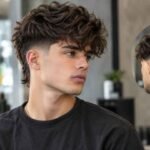
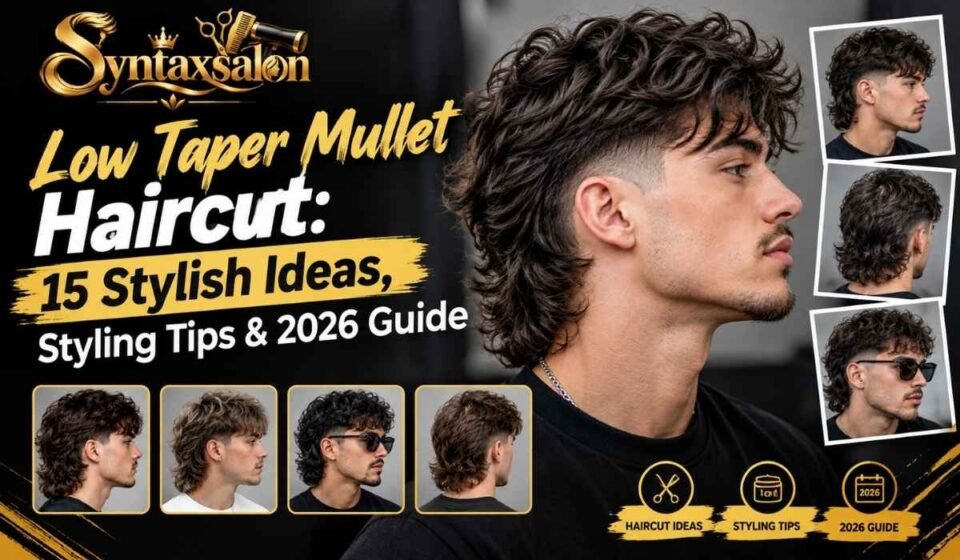

You sit down in the chair, show your barber a photo, and still walk out with something that doesn’t quite match what you pictured. It happens more than you’d think with mullets, because “mullet” means ten different things to ten different barbers. That gap between what you want and what you actually get is exactly why so many guys search for something more specific before they book the appointment.
That’s where this cut comes in. It’s the version of the mullet that barbers can actually replicate consistently, because it has a clear structure instead of a vague vibe. This guide breaks down 15 real variations, shows you how to describe the cut so your barber gets it right the first time, and covers the styling and upkeep that keep it looking sharp between visits.
Quick Answer: A low taper mullet keeps the sides and neckline gradually faded starting low near the ears, while the top and back stay longer for classic mullet shape and movement. It works with straight, wavy, curly, and thick hair, suits most face shapes, and needs a barber visit roughly every 4 to 6 weeks to stay clean.
What Is a Low Taper Mullet?
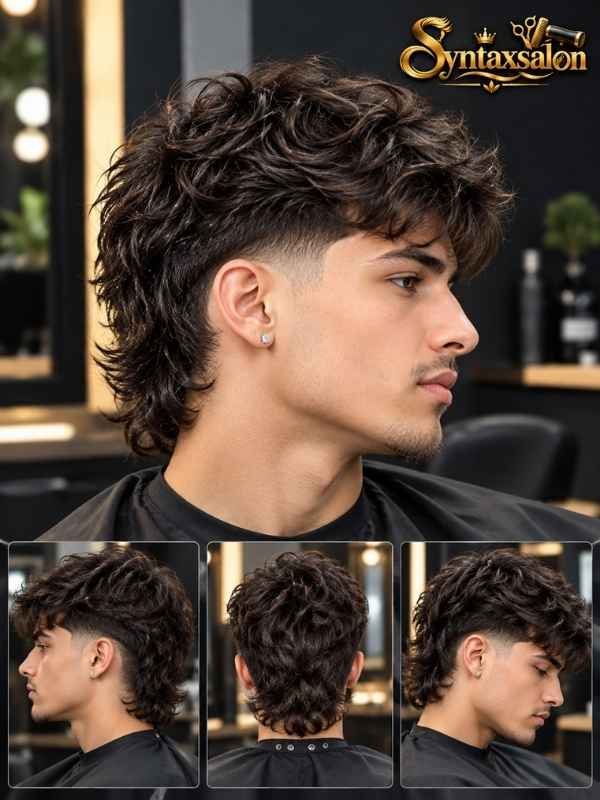
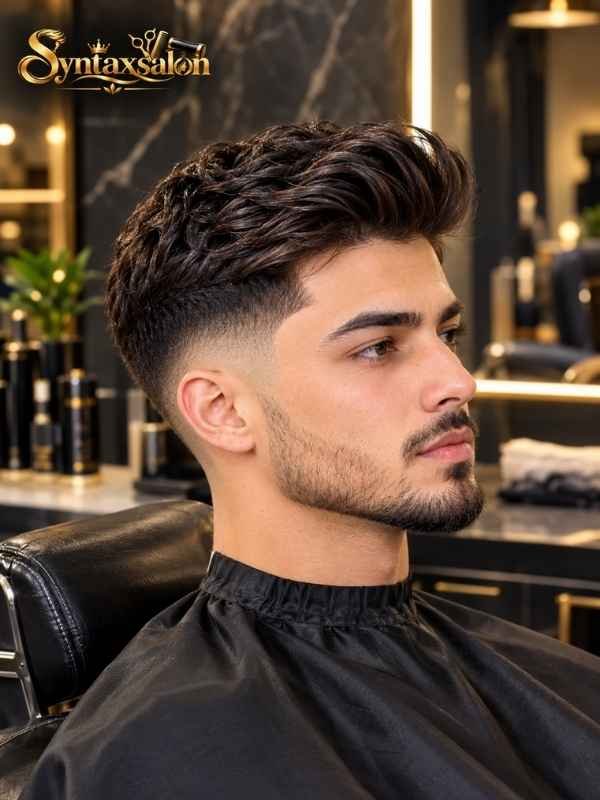
A low taper mullet is a modern spin on the classic mullet. The sides and neckline fade down gradually near the ears instead of cutting off sharply, while the back keeps enough length to hold onto that signature mullet shape.
Because the fade starts low, it’s a softer transition than a mid or high fade. You keep more hair around the sides, which gives the cut a fuller, more natural look instead of a stark contrast between short and long.
That subtlety is the whole point. You get the personality of a mullet without it screaming for attention, which is why this cut shows up just as often in office hallways as it does on Instagram.
Read This: Mexican Mullet Haircut: 13 Best Styles, Trends & Tips for 2026
Who Should Try a Low Taper Mullet?
This isn’t a niche cut reserved for one hair type or one lifestyle. It flexes to fit a wide range of guys, which is part of why it’s stuck around as a genuine trend instead of a passing fad.
You’re a good candidate if you:
- Want a modern haircut that still looks polished at work
- Like having length to play with on top and in the back
- Have straight, wavy, curly, or thick hair
- Want something that photographs well without extra effort
- Don’t want to be back in the chair every two weeks
- Enjoy switching up your look with different products
Best Face Shapes for a Low Taper Mullet
Almost anyone can wear a low taper mullet, but a good barber will still adjust the length and layering based on your face shape. Here’s a quick reference before your next appointment.
| Face Shape | Suitability | Why It Works |
| Oval | Excellent | Balanced proportions suit nearly every version of the cut |
| Square | Excellent | The taper softens a strong jawline without hiding it |
| Diamond | Very Good | Added length balances a narrower forehead and chin |
| Heart | Very Good | Volume through the crown offsets a wider forehead |
| Round | Good | Height on top helps elongate the overall shape |
If you’re unsure which category you fall into, bring a couple of photos to your consultation. A barber can usually confirm your face shape in seconds and tweak the taper height or top length accordingly.
Benefits of a Low Taper Mullet
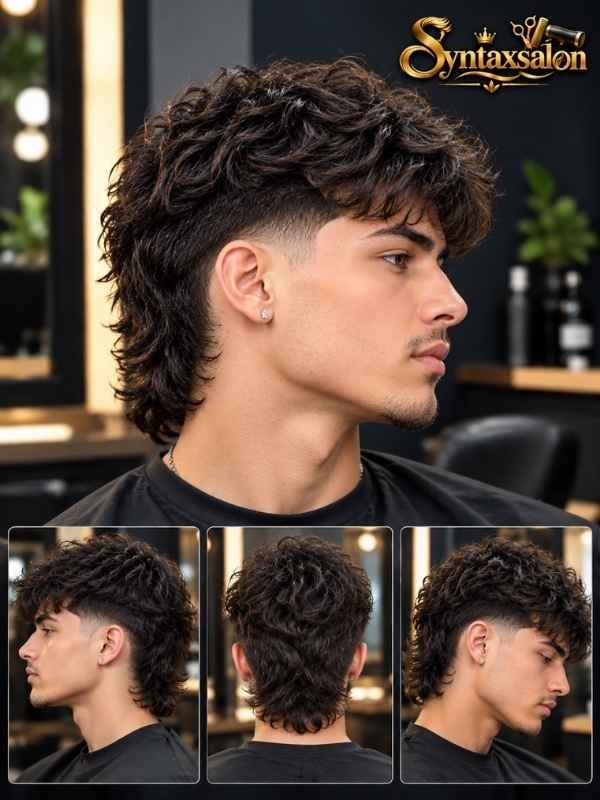
The biggest selling point here is versatility. This cut fits comfortably into minimalist, streetwear, and athletic styles alike, which is rare for a haircut this distinctive.
Other benefits worth knowing about:
- Reads as modern rather than dated or retro
- Keeps a clean, tidy neckline
- Passes as professional in most workplaces
- Easy to customize with texture, curls, or a fringe
- Works well through every season
- Pairs nicely with a beard
- Holds texture and product well
- Stays wearable while it grows out between cuts
5 Best Low Taper Mullet Hairstyles
These five variations cover the core styles most barbers can execute confidently, and they’re the ones worth bringing up first in your consultation.
Classic Low Taper Mullet
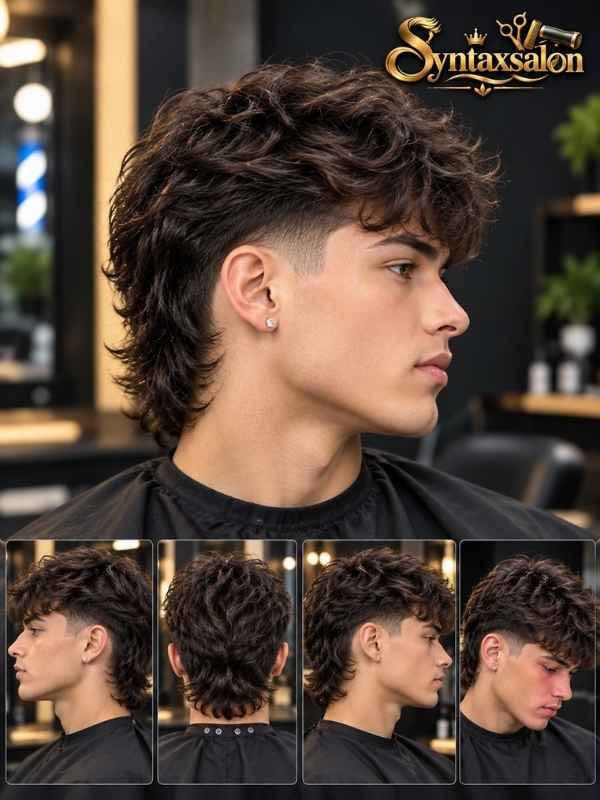
This is the baseline version: neatly tapered sides, medium length through the back, and a shape that reads as clean rather than retro. It suits offices, weekends, and everything in between.
The longer top gives you room to style it textured, side-swept, or brushed back depending on your mood. Trim it every 6 to 8 weeks and it holds its shape without much fuss.
Textured Low Taper Mullet
Adding texture through layering makes this one of the more relaxed, lived-in versions of the cut. It works especially well on thick, straight, or wavy hair that already has some natural body to it.
A matte clay or sea salt spray brings out the movement without weighing the hair down. It’s low effort, high payoff — exactly what a lot of guys are looking for.
Curly Low Taper Mullet
Curls and a low taper make a genuinely great pairing. The taper trims down bulk on the sides while the length in the back lets your natural curl pattern do the talking.
A lightweight curl cream or mousse keeps frizz in check without flattening the curl. Regular conditioning matters more here than product, since dry curls lose their shape fast.
Low Taper Mullet with Fringe
Adding a fringe changes the whole front profile, giving the cut a younger, more fashion-forward feel. It works particularly well on oval, diamond, and heart-shaped faces.
A messy or textured fringe pairs better with this style than a blunt one. A small amount of matte product creates separation without looking stiff.
Low Taper Fade Mullet with Beard
Pair the taper with a well-maintained beard and you get a sharper, more masculine finish. The fade blends smoothly into the beard line instead of creating a hard stop.
This combination flatters square and oval faces especially well. It also means double the upkeep, since both the fade and the beard need regular attention to stay sharp together.
10 More Low Taper Mullet Styles to Try
Once you’ve got the basics down, these ten variations show just how far you can push this haircut without losing the shape that makes it work.
Wolf Cut Low Taper Mullet
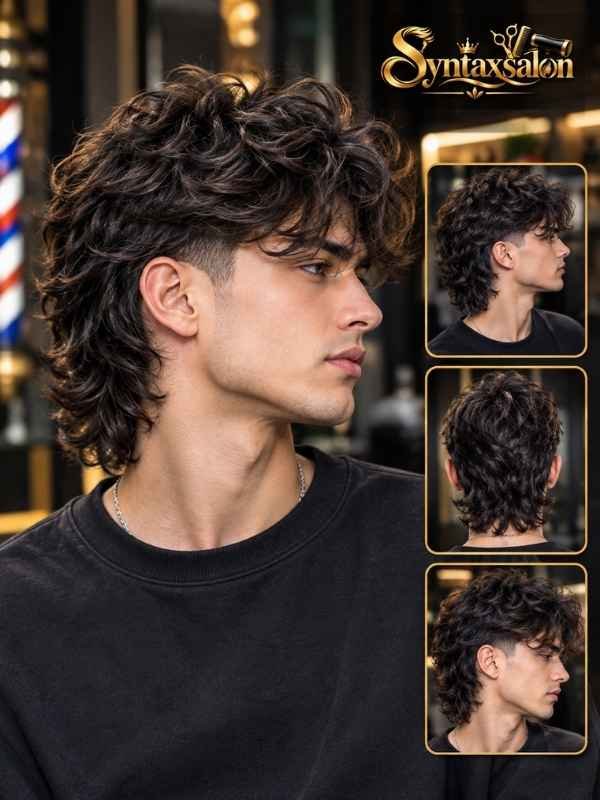
This one blends the choppy, layered wolf cut with a low taper fade for a bolder, more textured finish. Heavy layering through the crown adds volume that a plain mullet doesn’t have.
It suits thick or wavy hair best, since finer hair can struggle to hold the choppy layers. Style it with sea salt spray and a bit of texture powder for lift.
Messy Low Taper Mullet
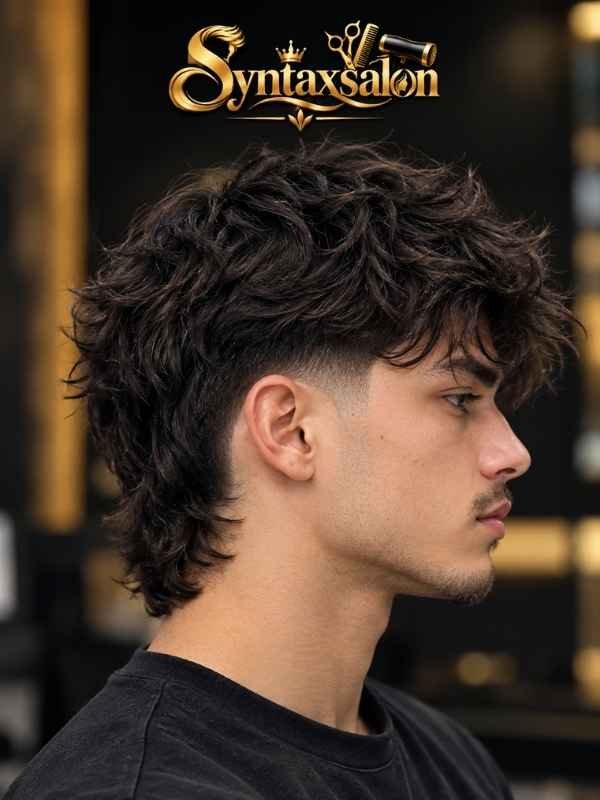
Instead of chasing a polished finish, this version leans into natural separation and undone texture. Soft layers do the heavy lifting while the taper keeps the whole thing from looking sloppy.
It’s a favorite for guys who want a low-effort daily routine. Style with fingers, not a comb, and stop before you overdo the product.
Modern Low Taper Mullet
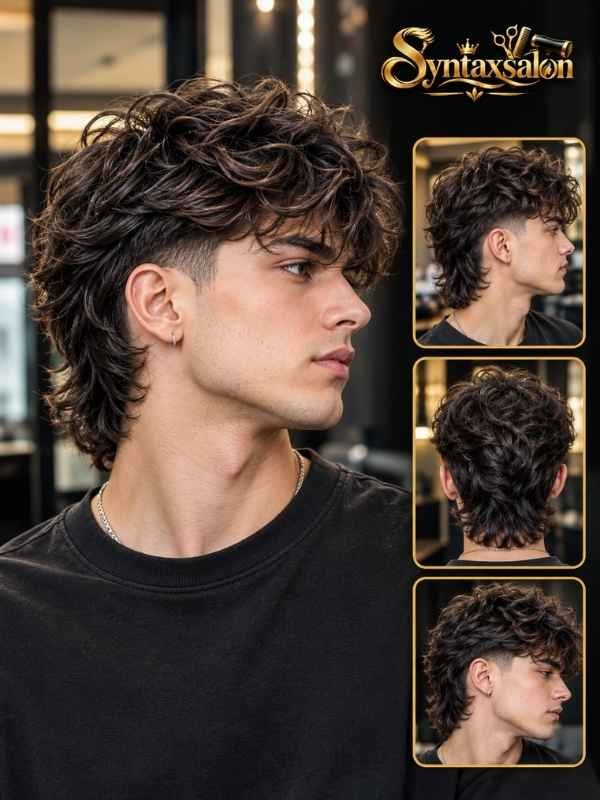
This is the toned-down, everyday-friendly version of the cut, with softer blending and less dramatic proportions than a retro mullet. It’s arguably the most requested variation in barbershops right now.
It suits nearly every face shape and hair type, which is exactly why it’s so popular. Keep the taper subtle so the transition stays smooth rather than choppy.
Wavy Low Taper Mullet
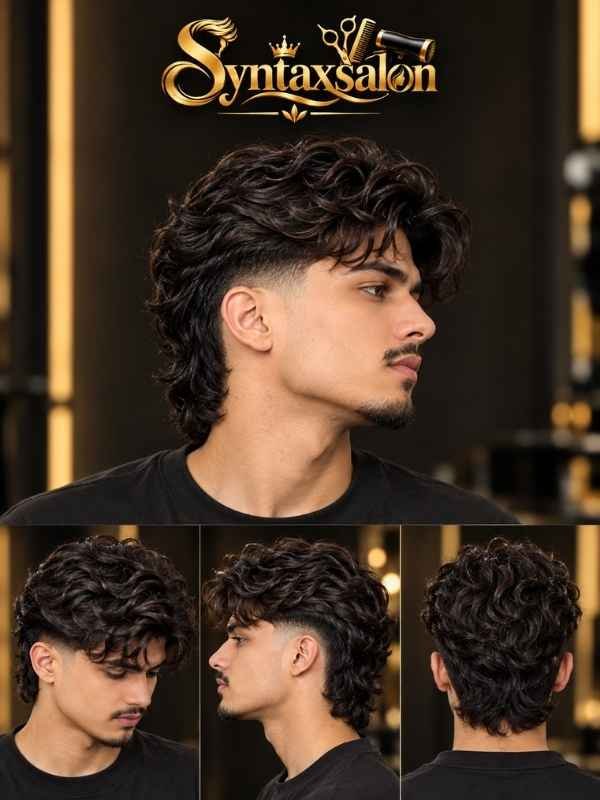
Natural waves and this cut are a low-effort match made in heaven. The taper clears out bulk near the ears while the waves move freely through the crown and back.
Sea salt spray is really all you need here. Skip heavy clay, which tends to flatten wave pattern instead of enhancing it.
Straight Hair Low Taper Mullet
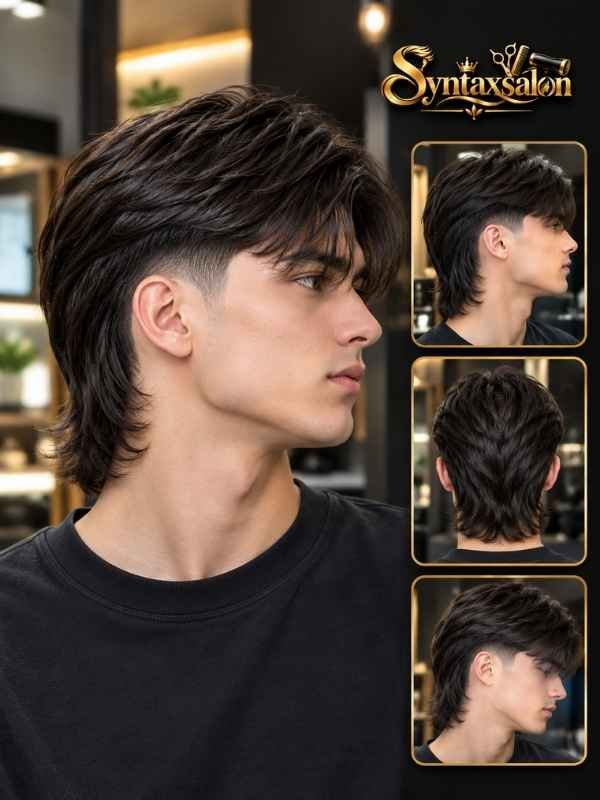
Straight hair shows off clean barbering better than almost any other texture, since every line and edge stays visible. The taper looks sharp and defined against the smooth strands.
A little light layering through the back keeps it from looking too flat or blunt. Matte styling cream is the go-to product for this texture.
Thick Hair Low Taper Mullet
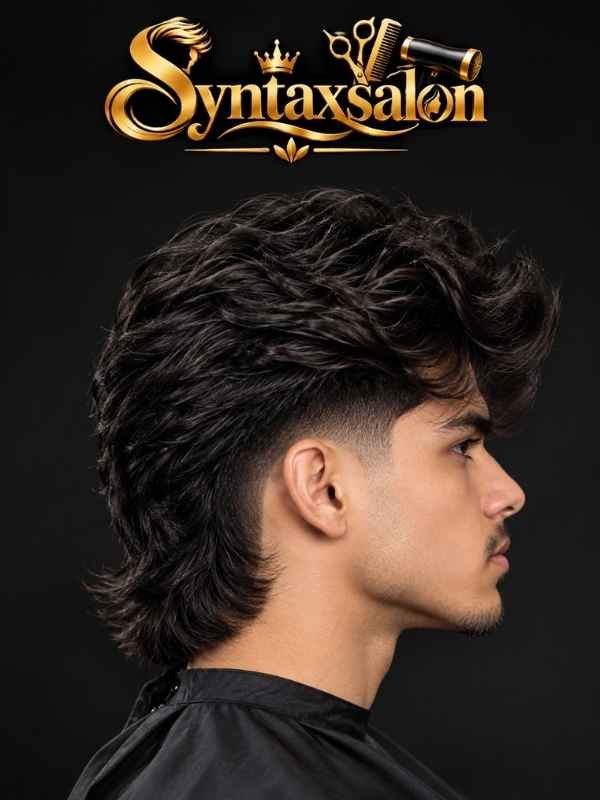
Thick hair tends to bulk up around the sides, and the taper solves that problem directly. Removing weight there lets the natural density on top and in the back create shape instead of just mass.
Ask your barber to thin internally rather than just cutting everything shorter overall. That keeps the volume you want while losing the bulk you don’t.
Fine Hair Low Taper Mullet
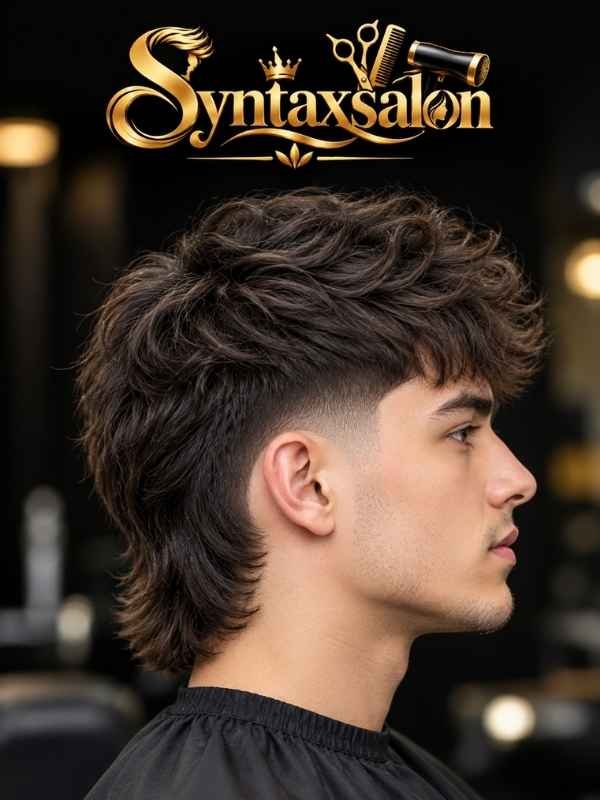
Fine hair needs a different approach, since it can look thin or flat if the back gets too much length removed. A shorter mullet length paired with subtle layering creates the illusion of more density.
Blow-drying with a round brush before applying a lightweight mousse adds real lift. Skip heavy pomades entirely — they’ll just make fine hair look greasy and limp.
Low Taper Mullet Short Hair
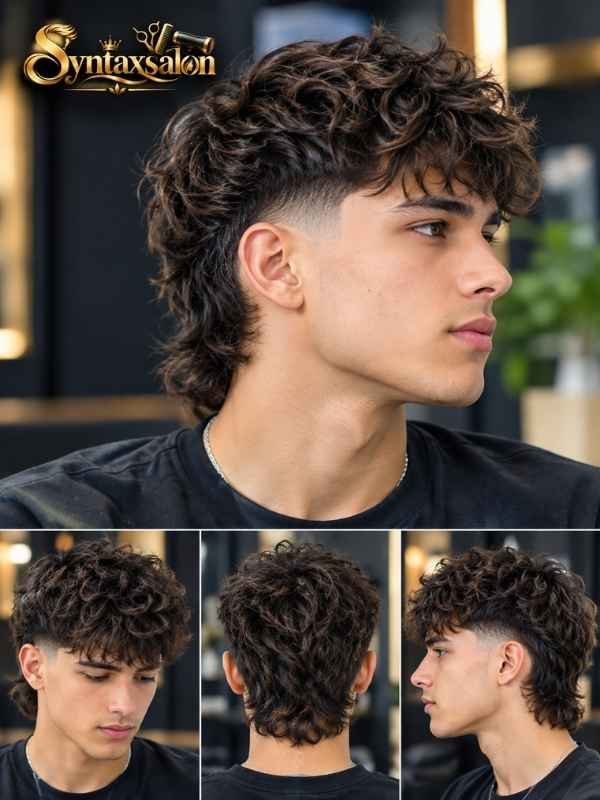
If you’re not ready to commit to serious length in the back, this version keeps things subtle. The taper stays the same, but the back only extends an inch or two past your natural haircut length.
It’s a smart entry point if you’re testing the mullet concept for the first time. You can always let it grow longer once you’re comfortable with the shape.
Low Taper Mullet with Middle Part
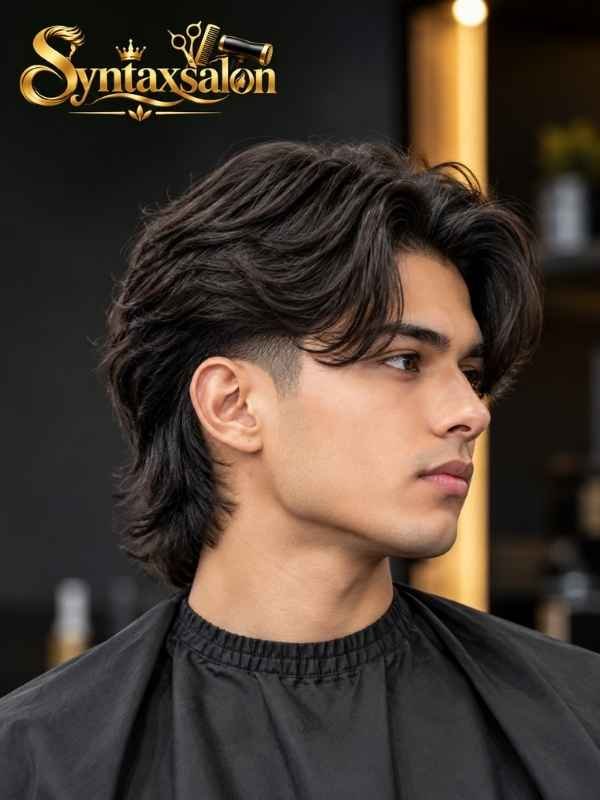
A center part gives this cut a completely different front profile, with hair falling evenly on both sides instead of sweeping to one direction. It pairs especially well with straight or slightly wavy hair.
This version leans more fashion-forward and works best with a bit of length on top to frame the part properly. A light styling cream keeps the part defined without looking wet or stiff.
Professional Low Taper Mullet
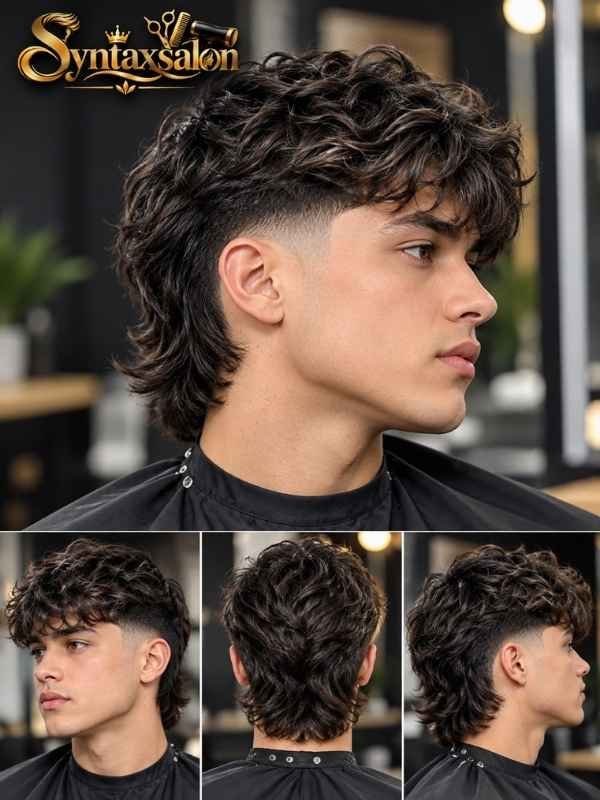
Built specifically for office environments, this version keeps the back shorter and the taper cleaner than more dramatic styles. It’s proof that a mullet and a dress code aren’t mutually exclusive.
Keep the neckline tidy between visits so it doesn’t creep past the collar. A grooming cream gives a refined finish without looking overworked.
How to Ask Your Barber for a Low Taper Mullet
Walking in and saying “give me a mullet” is a gamble, since that word means wildly different things depending on who’s holding the clippers. Being specific gets you a far more predictable result.
When you sit down, tell your barber you want:
- A low taper starting near the ears and neckline, not higher up
- A soft, gradual blend rather than a hard fade line
- Length kept through the crown and back to preserve the mullet shape
- Layering or texture on top if you want a less blunt finish
- A style that matches how you actually wear your hair day to day
Bringing one or two reference photos helps more than any verbal description. It gives your barber something concrete to match rather than guessing at your idea of “medium length.”
How to Style a Low Taper Mullet
Part of why this cut has taken off is how little effort it takes to look good. A few products and simple techniques cover almost every situation you’ll run into.
Everyday Casual Style

Work a small amount of matte clay or texture paste into dry hair using your fingers. You’re going for natural movement, not a slicked-down finish.
Professional Finish
Blow-dry with a round brush to build subtle volume through the crown. Finish with a lightweight styling cream for a smoother, more polished look suited to work.
Messy Textured Look
Apply sea salt spray to damp hair before blow-drying it. Add a touch of texture powder afterward for extra lift and a relaxed, undone finish.
Curly Finish
Smooth curl cream evenly through damp hair, then air-dry or use a diffuser. This defines your natural curl pattern while keeping frizz under control.
Read This: Buzz Cut for Curly Hair: The Complete Style & Care Guide
Best Hair Products for a Low Taper Mullet
The right products protect the shape of the cut and keep it looking intentional between barber visits.
| Product | Purpose |
| Matte Clay | Natural texture with medium hold |
| Sea Salt Spray | Adds volume and beachy movement |
| Texture Powder | Creates lift without added weight |
| Curl Cream | Defines curls and tames frizz |
| Hair Mousse | Lightweight volume, especially for fine hair |
| Lightweight Hair Oil | Cuts dryness and adds shine |
| Heat Protectant Spray | Shields hair during blow-drying |
Maintenance Tips
This haircut is genuinely easier to maintain than most high-fade styles, but it still needs a bit of routine care to stay looking fresh.
Visit Your Barber Every 4–6 Weeks
Regular trims keep the taper crisp and stop the whole shape from growing out unevenly. Waiting much longer than six weeks usually means the fade starts to blur into the longer length above it.
Wash Hair Properly
Stick to a sulfate-free shampoo two or three times a week. This clears out product buildup while leaving your hair’s natural oils mostly intact.
Condition Regularly
The longer hair in the back is more prone to tangling and dryness than the tapered sides. Regular conditioner keeps it soft and manageable, especially if you’re growing it out.
Avoid Heavy Styling Products
Thick pomades and heavy waxes tend to flatten the texture that makes this cut work. Lightweight products preserve the natural movement instead of weighing it down.
Protect Hair from Heat
If a blow dryer is part of your routine, don’t skip the heat protectant. It’s a small step that meaningfully reduces long-term damage, especially on the longer back section.
Growing Out a Low Taper Mullet
One underrated advantage of this cut is how gracefully it grows out compared to a high or skin fade. Because the taper starts low to begin with, there’s no harsh line reappearing at the top of your head after a few weeks.
If you’re aiming for a fuller mullet eventually, ask your barber to leave slightly more length in the back at each visit while keeping the taper itself consistent. Regular trims of just the sides and neckline — without touching the back — let the length build up on schedule instead of getting cut short by accident.
Expect a transition period of a few months if you’re going from a short cut to real mullet length. Keeping the taper soft in the meantime keeps things looking deliberate rather than like you’re simply overdue for a haircut.
Common Mistakes to Avoid
Most disappointing haircuts come down to a handful of avoidable errors, not a bad cut in general.
Watch out for these:
- Asking for a taper that’s too high instead of a genuine low taper
- Skipping regular trims and letting the shape blur out
- Overloading the hair with styling product
- Ignoring your natural texture and forcing a style that fights it
- Letting the back grow excessively long without any layering
- Neglecting moisture on curly or coarse hair
- Using low-quality products that leave residue behind
Sidestep these and your cut stays clean, sharp, and easy to manage between barber visits.
Low Taper Mullet vs Other Popular Mullet Haircuts
Picking the right mullet variation comes down to your personal style, hair type, and how much upkeep you’re willing to commit to. This cut tends to strike the best balance between modern style and everyday practicality.
| Feature | Low Taper Mullet | Mid Taper Mullet | Burst Fade Mullet |
| Fade Position | Starts low around the ears | Starts around the middle | Curves tightly around the ears |
| Overall Look | Clean and balanced | Sharp and modern | Bold and edgy |
| Professional Appearance | ⭐⭐⭐⭐⭐ | ⭐⭐⭐⭐☆ | ⭐⭐⭐☆☆ |
| Maintenance | Low | Medium | High |
| Best For | Everyday wear | Trendy styles | Statement looks |
| Hair Length | Short to medium | Medium | Medium to long |
| Works With Curly Hair | Excellent | Excellent | Excellent |
| Barber Visits | Every 4–6 weeks | Every 3–5 weeks | Every 2–4 weeks |
If you’re weighing a high taper mullet as well, think of it as the mid taper’s more dramatic sibling — the fade starts even higher, giving a sharper contrast but demanding more frequent trims to keep the line clean.
Pros and Cons of a Low Taper Mullet
Every haircut comes with trade-offs. Knowing both sides upfront helps you decide if this one actually fits your lifestyle.
Pros
- A modern, wearable take on the classic mullet
- Suits nearly every hair texture
- Reads as clean and professional
- Easy to personalize with texture, curls, or a fringe
- Less maintenance than most high-fade styles
- Pairs well with a beard
- Complements most face shapes
- Grows out without losing its shape
- Easy to style with minimal product
- One of the most requested men’s cuts in 2026
Cons
- The longer back needs occasional trimming to avoid looking unkempt
- Fine hair may need extra volumizing product
- Curly hair benefits from a more moisture-focused routine
- An inexperienced barber may not blend the taper cleanly
- Not the right choice if you prefer very short hair overall
Frequently Asked Questions
What is a low taper mullet?
A low taper mullet is a modern men’s haircut that combines a subtle low taper fade with the classic longer back of a mullet. The sides gradually fade near the ears while the top and back keep enough length for a balanced, stylish shape.
Is a low taper mullet suitable for all hair types?
Yes. It works well with straight, wavy, curly, thick, and coarse hair, and each texture gives the cut a slightly different personality. That flexibility is a big part of why it’s so widely requested.
How often should I trim a low taper mullet?
Most barbers recommend a trim every four to six weeks. That keeps the taper sharp while maintaining the balance between the shorter sides and the longer back.
Which face shape looks best with a low taper mullet?
It’s especially flattering on oval, square, and diamond face shapes, since the taper and added length complement those proportions naturally. That said, most face shapes can wear a well-tailored version of this cut.
What products should I use for a low taper mullet?
It depends on your hair type and the finish you’re after. Matte clay suits textured looks, sea salt spray adds natural volume, curl cream defines curls, and lightweight mousse gives fine hair some lift without weighing it down.
Conclusion
The low taper mullet has earned its spot as one of 2026’s most versatile men’s haircuts because it doesn’t force you to choose between polished and bold. It blends a clean, professional taper with the personality of a classic mullet, and it adapts to straight, wavy, curly, and thick hair without losing its shape.
Whichever variation you land on — classic, textured, curly, fringed, or paired with a beard — the real key is clear communication with your barber and a bit of consistency with trims and products. Get that right, and this cut stays sharp, fashionable, and genuinely easy to live with all year.